Twelve games, read out of the ROM
Between 1 and 13 October pokeMiniGram went from two minigames to all twelve, each played by rules read from the game's own code. Then every one went back to the ROM for a second look.
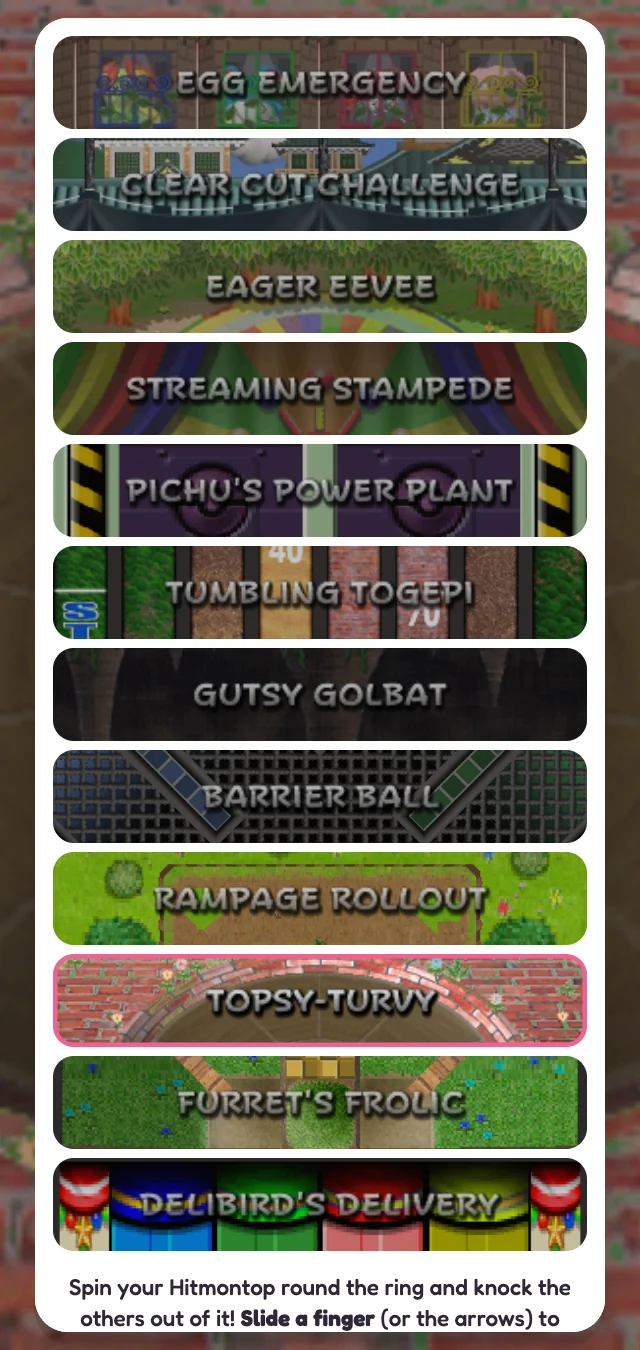
On 1 October pokeMiniGram had one minigame, Egg Emergency. By the evening of the 7th it had all twelve of Pokémon Stadium 2’s four-player minigames. From the 10th to the 13th each one went back to the ROM to be checked again, and on the 13th the rooms got a lobby.
Twelve in a week
1 October brought Clear Cut Challenge, the Scyther log-cutting game, in the morning and Eager Eevee after lunch. The same afternoon the game moved into Telegram as a Mini App, so an invite sent in a chat opens the game straight in that room. Friends without Telegram can still join from a browser.
After two quiet days, a game a day: Streaming Stampede on the 4th, Pichu’s Power Plant on the 5th, Tumbling Togepi on the 6th. On the 7th six games were committed, the first two at 00:49 and the last at 20:38.
The pace wasn’t luck. The first few games paid for the method; after that each new one mostly reused it. In João’s words:
as soon as you get a few mini games ported it gets really fast and token usage goes down because the workflow get optimized. Exploring is the expensive part.
How a game is read
Every minigame in Stadium 2 is its own module of MIPS code in the ROM: Topsy-Turvy is #47, Delibird’s Delivery #60. The remake doesn’t guess at the rules. It reads them out of that module: how the logs fall, when a CPU presses, how far a Swinub has to come to hit a sack.
The first ones were read instruction by instruction. From Tumbling Togepi on, a decompiler (m2c) did the first pass, turning the machine code into rough C; where it got lost, the instructions themselves were read.
The rules come out twice: once in JavaScript for the browser, once in Python for the server, and tests feed both the same inputs and compare a digest of the whole game as it runs. The browser plays the game; the server’s copy decides what counts.
How four players on four connections stay in step, and what that took, is a story of its own, told in a separate article.
What went wrong
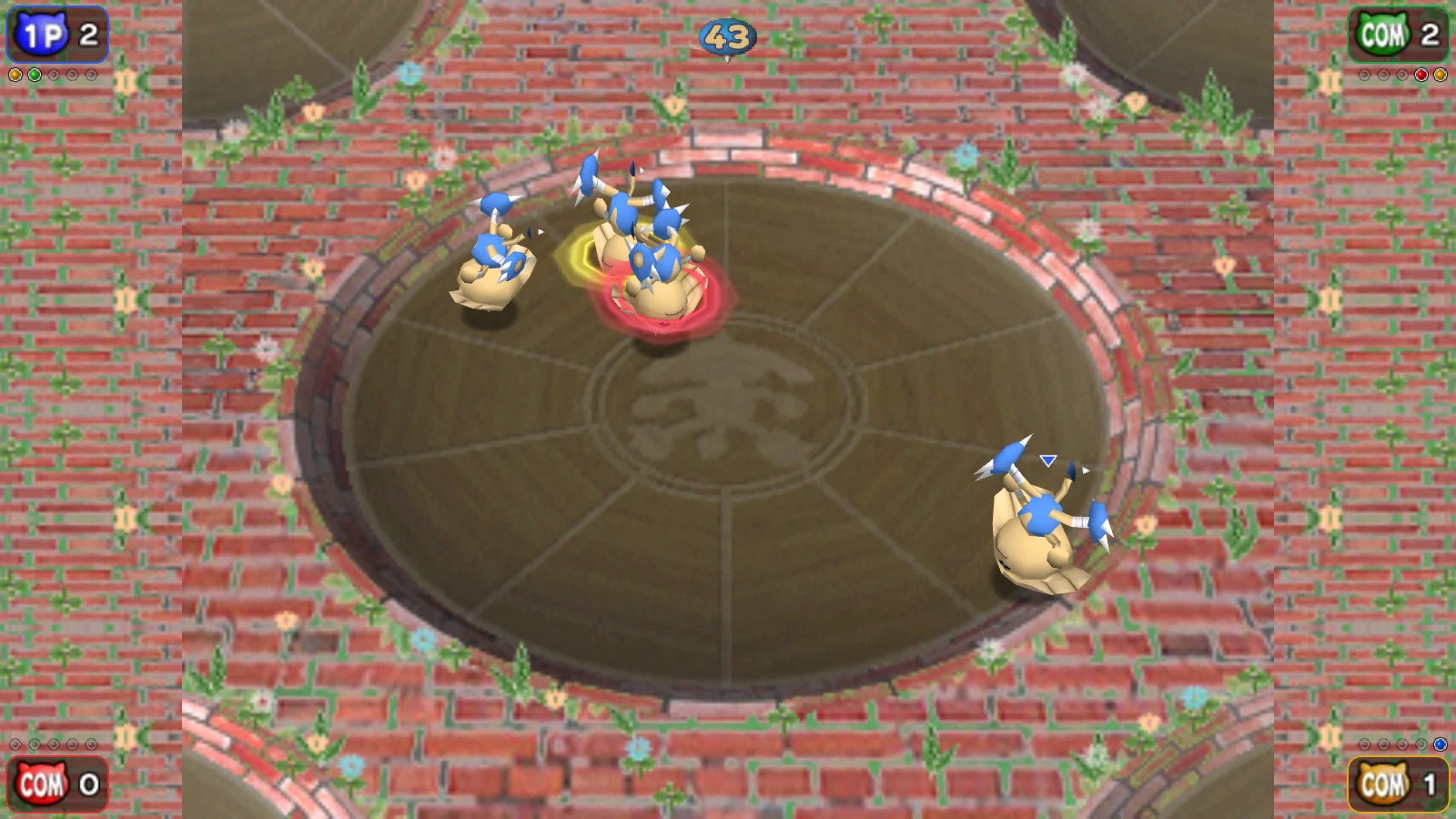
Topsy-Turvy’s sparks came out of the extractor broken, so seven minutes after the game went in they were swapped for made-up streaks. The real fix came the next evening, and the same mistake turned out to be in other games too.
Rampage Rollout froze at the end of its first race. The event for a Donphan crossing the line was called “finish”, the same name the game uses to say the round is over, so the end-of-round code ran with no player attached, crashed, and the picture stopped. The fix came 19 minutes after the game. The event was renamed, and since then a frame that crashes is reported once and the game keeps running, so no game can freeze that way again.
The second pass
By 9 October the twelve played well. João still thought there were small quirks left, and he had budget to spare: “since I had some tokens leftover, I decided to invest them on letting claude compare real rom code to our code and find gaps in it”.
From the 10th to the 13th every game was audited against its module, one by one. Some of it was big. Egg Emergency’s eggs had been falling on a schedule the remake made up; now they follow the game’s own patterns. A Chansey hit by a Voltorb throws its eggs, and the lost ones go see-through as in the game; that was João’s example of what got better. Topsy-Turvy had been running at 60 frames a second on the theory that the game’s numbers needed it; the audit found it ticks at 30 like the rest.
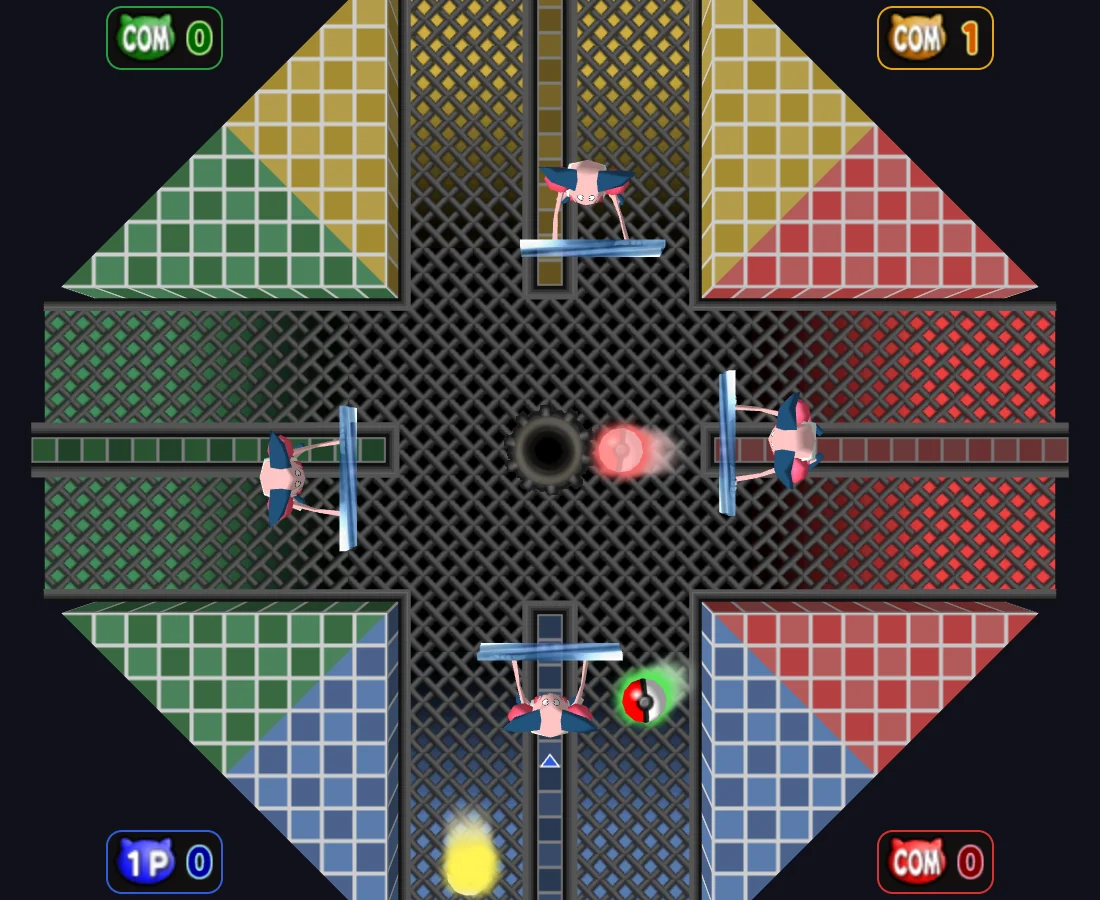
Most of it was small. Pichu’s Electrodes had their Hard and normal speeds swapped. Clear Cut’s show between logs ran 195 frames instead of 180. One bug in the shared effect code had been drawing five effects in four games wrong for five days, and the Barrier Ball audit caught it, not a player.
A lobby
On 13 October “Play with friends” became a lobby: quick play, making a room, a list of open rooms, joining by code. The host picks the next game, or lets it be random, or puts three games to a vote. Rooms keep running points across rounds, and with two or more people the CPUs can be switched off. Where to play stays private: friends get in with an invite.
It has had its first full table. João: “already got to play with 4 players it was great”.
Where it stands
Nothing has been committed since the lobby. What comes next is open:
still deciding what is coming next maybe port Pokemon stadium 1 mini games or another Pokemon mini games from the Wii
What it taught, by his account: that “with the new ai models we can really recreate old games and port them to any platform, improve on them”, at least games light enough on graphics that remade parts still fit. For heavier ones, “Games with more complex models probably won’t work as well and need to be delayed until better ai models are released”.